

You can sit down at a roulette table and learn the layout without risking a cent, which is exactly why free play matters before you commit real money. The catch is that a practice mode never mirrors a live casino floor, and treating it like one leads to misplaced confidence. This walkthrough looks at how a player actually encounters a free session, what it teaches, and where it stops being useful.
How a free session actually starts
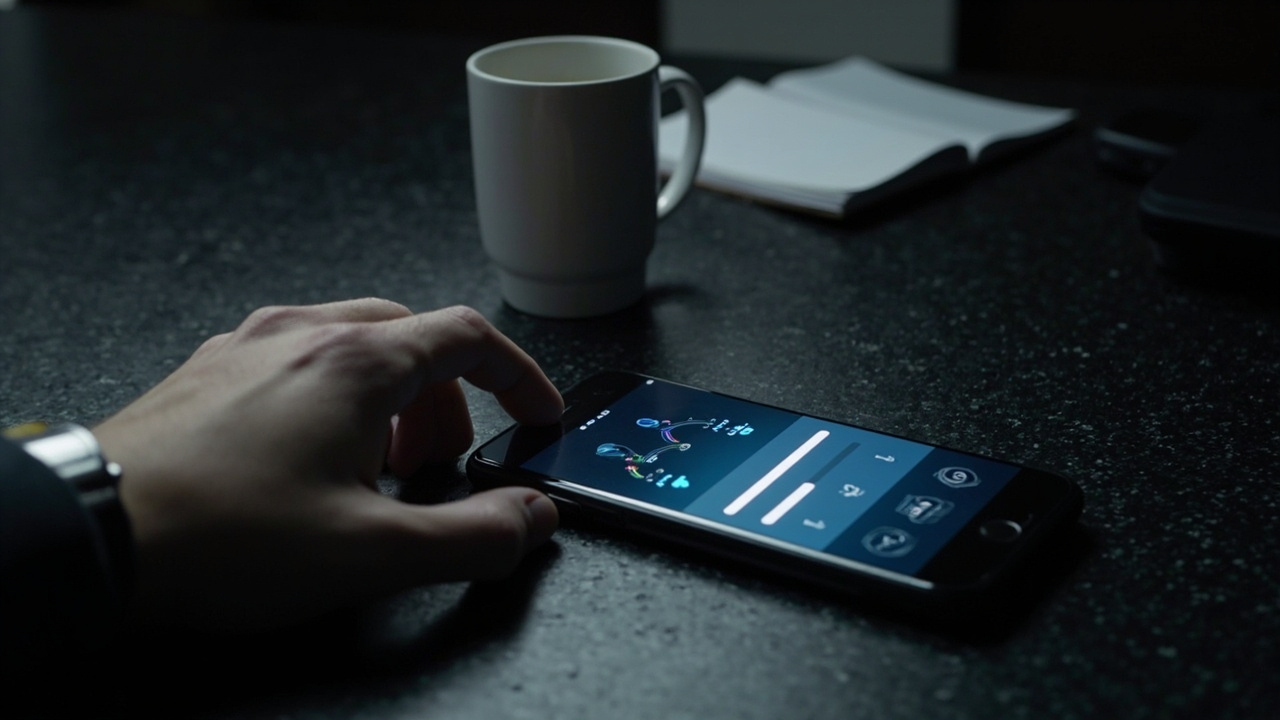
A typical entry point is a demo table on a reputable casino site, where the lobby separates play-for-fun titles from the real-money lobby. You tap a roulette variant, the table loads with a visible balance that resets if you refresh, and the wheel spins without asking for a deposit. That setup is handy for learning chip values, bet types, and how fast a round moves, but it is a training screen, not a regulated environment. If you are comparing sites before you commit any funds, you can check a local-facing page such as https://hellspins-win.com/en-au to see how a casino separates demo tables from the real-money lobby, though the page is a marketing front and the actual demo experience lives inside the game itself. The important detail is that free play runs on a random number generator just like the paid version of the same game, so the sequence of results is not more predictable in practice mode. What changes is your relationship to the outcome: there is no wallet to drain, which means you can chase a losing streak without feeling the pressure, and that freedom is both the benefit and the blind spot.
What free play teaches and what it does not
Reading the table without the noise
The first thing a free session is good for is removing the noise around a bet. You can place a split, a corner, or a dozen without fumbling chips, and you see how the dealer or the automated round handles payouts before you ever risk a deposit. That repetition matters because roulette is a fast table game, and hesitation at a live venue costs you time and sometimes focus. A practice round also shows how the layout differs between European and American wheels, including the extra double-zero pocket on the American version and the lower house edge on a single-zero wheel. None of that is glamorous, but it is the sort of detail that separates a player who knows where their chips are going from one who is guessing under pressure. The limitation is that a demo balance has no emotional weight, so you learn the mechanics without learning your own reaction to a run of bad luck.
The limits of a practice balance
A free balance cannot teach discipline, because there is no money actually leaving your pocket and no genuine consequence to a bad session. You can reset, reload, or switch tables the moment results turn against you, which is convenient but does not reflect how a real bankroll behaves under pressure. The same wheel and the same RNG drive the outcomes, so a practice run never becomes easier or harder in a meaningful sense; the sequence is still random and no system, charm, or ritual alters a game’s true odds. That is the part a lot of marketing copy glosses over, because it is less exciting than promising a method to tilt the table. A sensible player treats free play as a map, not a guarantee, and uses it to confirm that they understand the bets they intend to make rather than to test a hunch about winning sequences.
When free play is enough and when it is not
For a new player, a short free session is usually enough to learn the chip values, the difference between inside and outside bets, and how quickly a round moves on a mobile screen. That is a practical use, and it saves you from placing awkward bets at a live table because you are still figuring out the layout. What it is not enough for is judging whether a casino’s ongoing value suits your habits, because demo play tells you nothing about cashback, loyalty tiers, tournament access, or repeat-play reasons once the welcome offer is gone. Those are separate questions, and they require a different kind of look at the operator rather than another spin on a practice wheel. A player who only ever tests the free version can walk away with solid table knowledge and still have no idea whether the site’s recurring promos fit a casual session or a regular one.
Who free play suits and who should look further
A casual player who wants to learn the table before risking money is the best fit for free play, especially if they are the sort of person who likes to understand a game before they put a wager on it. It is also useful for someone comparing a European wheel against an American one, since the extra zero on the American layout is easy to miss until you have seen it in action. On the other hand, a player whose real interest is ongoing value after the welcome offer is looking at the wrong tool, because a practice balance says nothing about cashback, loyalty tiers, or tournament access. Those questions are about the operator, not the wheel, and they need a different kind of check. Canberra-based players often treat free play as a first step rather than a destination, which is a sensible habit given that local licensing realities mean the real decision is about which operator you are comfortable using, not whether a demo screen looks polished. I would rather see someone spend a short session learning the bets they actually plan to make than spend hours spinning on a practice wheel chasing a feeling that the table is due to turn.
If you are using free play to learn the table, keep it short, focus on the bets you would actually make, and treat the demo balance as a map rather than a forecast. The wheel does not become kinder because there is no money on it, and the habits you build in practice mode are the habits you carry into a real session.
- Demo balance – a play-for-fun credit that resets or reloads inside a free table, with no real-money value.
- European wheel – a single-zero roulette wheel with a lower house edge than the American version.
- American wheel – a roulette wheel with both a single zero and a double zero, which adds an extra pocket.
- Inside bets – wagers placed on specific numbers or small groups of numbers on the inner layout.
- Outside bets – wagers placed on broader outcomes such as red/black, odd/even, or columns.


HOT ITEM!