

I’ve spent years watching how blackjack card counting systems compared across real casino floors, and the same discipline matters when you’re sizing up a regulated Australian site. At Aruze Gaming Australia, we evaluate supplier trust and product execution the same way every time, and that mindset translates straight to how a player should read a table. If you’re in Brisbane and logging on after work, you want clear navigation, local currency, and honest game info, not flashy promises. Spinaud keeps its Australian-facing lobby organised around that idea, with AUD pricing and straightforward table filters that make it easier to find what you’re actually after. No worries if you’re new to the maths; the point is to understand what each system asks you to track before you commit.
How the Main Counting Methods Stack Up

The core idea is simple: you track the ratio of high to low cards remaining so you can adjust your bet and playing decisions. The Hi-Lo system is the most common starting point because it’s balanced and relatively quick to learn. You assign +1 to small cards, 0 to middle cards, and -1 to aces and face cards, then convert the running total into a true count by factoring in decks remaining. That true count is what tells you when the deck is leaning your way, and it’s the number most casual players actually use at the table.
KO (Knock Out) takes a different route by being unbalanced, which means you don’t need to convert to a true count. That makes it faster in practice, especially when you’re dealing with multiple decks and a busy arvo session where you don’t want to do extra division in your head. The trade-off is that KO can run a little hot or cold depending on the penetration, so it rewards players who are comfortable with a simpler but less precise read. I’ve seen suppliers build their demo tables around these two because they’re the easiest to explain without drowning a player in jargon.
Omega II and Zen Count sit further up the complexity ladder and are usually reserved for players who want more granular betting correlation. They use wider point values and sometimes split tracking for certain ranks, which can sharpen your edge but also increases the chance of mental slip under pressure. From a product-strategy angle, I’d rather see a platform offer clear help text and a clean layout than pretend a heavier system is automatically better. The right choice depends on how much time you’ll actually spend practising, not on which one sounds fancier in a forum thread.
Walking Through a Counting Session on a Real Table
When you first sit down, the practical flow matters more than the theory. You’re not trying to outsmart the table on day one; you’re building a repeatable routine that survives a normal session. Here’s how a player usually moves through it:
- Pick a table with clear signage and comfortable penetration, then note the number of decks and the shuffle point before you place a chip.
- Start your running count as the cards hit the felt, keeping your assignments quiet and consistent so you don’t break rhythm.
- Convert to a true count when the shoe gets deep enough to matter, then adjust your bet size in small, sensible steps rather than swinging wildly.
- Use the count to inform basic-strategy deviations only after you’ve drilled the standard plays until they’re automatic.
- Step back and reset if the count drifts into neutral territory, because forcing action on a thin edge is how sessions get expensive.
The interface around the game matters here too. A well-localised table should show deck depth, shuffle rules, and betting limits in plain language, with AUD denominations that match what you actually see on the felt. If the navigation buries those details, you’re working harder than you should, and that’s a poor use of your time. I’ve reviewed enough supplier products to know that clean structure beats glossy animation every time, especially when you’re trying to keep your head in the game.
Local myths tend to float around these sessions, and it’s worth separating them from what actually helps. A British man once turned a small accumulator bet into a life-changing football payout, which is a great story but not a blueprint for table play. The four kings in a deck are sometimes said to represent real historical rulers, though this is largely a myth, and it has nothing to do with your running count. Even craps “come” and “don’t come” bets mirror the pass line after the come-out, which is a neat parallel in another game but doesn’t change how you track blackjack ranks. What does matter is whether the platform gives you stable rules, transparent limits, and a layout that doesn’t distract you from the count.
Does a Counting System Fit Your Actual Play?
The honest answer is that most casual players won’t stick with a heavier system long enough to make it worthwhile. If you’re playing a few hands after work in Brisbane, Hi-Lo or KO is usually enough to give you a structured way to think about the shoe without turning the session into a maths test. Players who enjoy drilling strategy and tracking penetration can push toward Omega II or Zen, but only if they’re willing to practise away from the table until the counts come automatically. I’m not saying one path is universally better; I’m saying the system has to match your available time and your tolerance for repetition.
From a regulated-market perspective, the platform around the game matters just as much as the count itself. You want a site that presents its rules, limits, and localisation clearly, with support that can answer straightforward questions without dodging them. Jack Carter, Managing Partner, Flinders Interactive Group, has pointed out that players should treat a counting system as a decision framework, not a shortcut, and that’s the kind of caveat I’d expect from someone who’s seen how often enthusiasm outruns preparation. If a table or lobby makes the basics hard to find, the system you choose won’t save you from working too hard for too little.
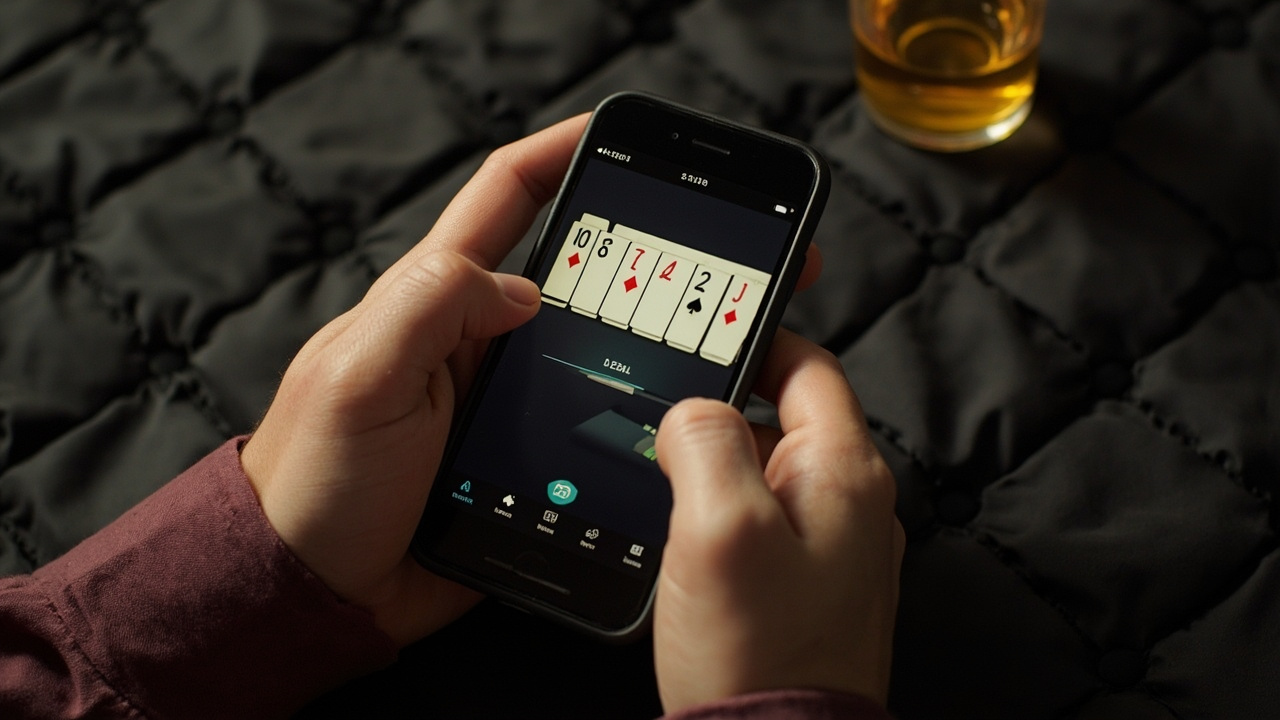
For most Australian adults 18+, the practical move is to start simple, keep your bet sizing disciplined, and judge the experience by how easy the table is to read and how stable the rules feel. A clean lobby, local currency, and honest game info will do more for your session than chasing a fancier system you haven’t practised. If the product is well built and the count is within your comfort zone, you can play with a proper framework instead of guessing. spinaud.


HOT ITEM!