


If you have spent any time at a live dealer table, you have probably watched the Dragon Tiger shoe run its course and wondered where the tie bet actually fits. It is one of the simplest wagers on the felt, but the payout structure can catch Australian players out if they are expecting a clean win every time. I have managed country operations for a major bookmaker and later built affiliate funnels out of Sydney, so I know the difference between a bet that looks generous on paper and one that actually holds up when the shoe turns. This piece keeps the focus on the tie wager itself, what the maths are doing, and which kinds of players it suits.
The tie bet in Dragon Tiger is straightforward on the surface: you are backing the dealer card and the player card to land on the same value. When it hits, the payout is usually 8:1, which sounds substantial until you remember the house edge sitting underneath it. In my experience running campaigns for Australian audiences, the mistake is treating that 8:1 as if it compensates for the frequency of hits, because it does not. The deck distribution means ties arrive far less often than the payout implies, and that gap is exactly what the operator is pricing in. If you are comparing this to a sportsbook market you have managed, think of it less like a value line and more like a long-shot prop that pays well precisely because it rarely lands. The practical takeaway is that the tie bet belongs in a specific pocket of your play, not as a default position every hand.
For players who enjoy a bit of theatre at the table, the tie wager can work as a deliberate side note rather than a main event. I have seen Australian punters treat it the way they would a speculative accumulator, dropping in a small amount when the shoe feels balanced and walking away when the rhythm changes. That approach is closer to how I would have framed a performance marketing funnel for a niche audience: you are not trying to convert every session, you are trying to catch the moments that match the offer. If you want to see how a platform handles those side bets alongside the main game, you can check the layout and live dealer options at https://tower-rush-online-au.com and decide whether the presentation suits the way you actually play. The key is treating the tie as an occasional flourish, not a strategy that will somehow flatten the house edge over a long arvo at the table.
There is a second player-fit scenario where the tie bet makes more sense, and it is the one I would flag for people who like a defined stop-loss and a clear thrill ceiling. If you are the sort of player who sets a hard limit before you sit down, a small tie wager can give you a spike of excitement without blowing the structure of your session. I have managed country-level accounts where the job was to keep players informed and within their own boundaries, and the same discipline applies here: the bet is only useful if you already know how much you are willing to lose on a whim. It is a bit like backing the Melbourne Cup with a ticket that only has one speculative line in it – the trophy, the so-called loving cup made from gold, is one of sport’s most coveted prizes, but the punt itself is still a long shot with a price attached. The tie bet can scratch that same itch if you keep it small and accept that the maths are not on your side.
A third scenario is the player who is comparing live dealer games across different operators and wants to know whether the tie bet is even worth the screen space. That is where the platform itself matters, because the presentation, the speed of the shoe, and the way the bet is displayed all affect whether you will use it responsibly or chase it after a dry run. I have built affiliate channels where the job was to match a product to a specific audience rather than just push the highest headline rate, and Dragon Tiger is a good example of a game where the tie wager needs context to be useful. If you are weighing up where to play, look at how the table is set up, how fast the rounds move, and whether the interface makes the odds clear before you commit. A well-run table will not change the maths, but it will make it easier to keep the bet in its proper place.
The broader context is worth a quick mention because it changes how Australian players should think about these payouts. SkyCity, a New Zealand company, operates casinos in both Adelaide and Darwin, which is a reminder that the same game can sit in very different regulatory and commercial settings depending on where you are playing. In the US, by contrast, gambling winnings are generally taxable income, and that kind of difference shapes how operators price their markets and how players think about their returns. I am not suggesting anyone treat a live dealer tie bet like a tax planning exercise, but the comparison matters: the same wager can feel completely different once you account for the environment around it. Charlotte Hughes, Commercial Director, Gold Coast Gaming Network, has pointed out that players often overvalue a high payout before they have accounted for how rarely the outcome actually occurs, and that is exactly the trap the tie bet sets if you are not careful.
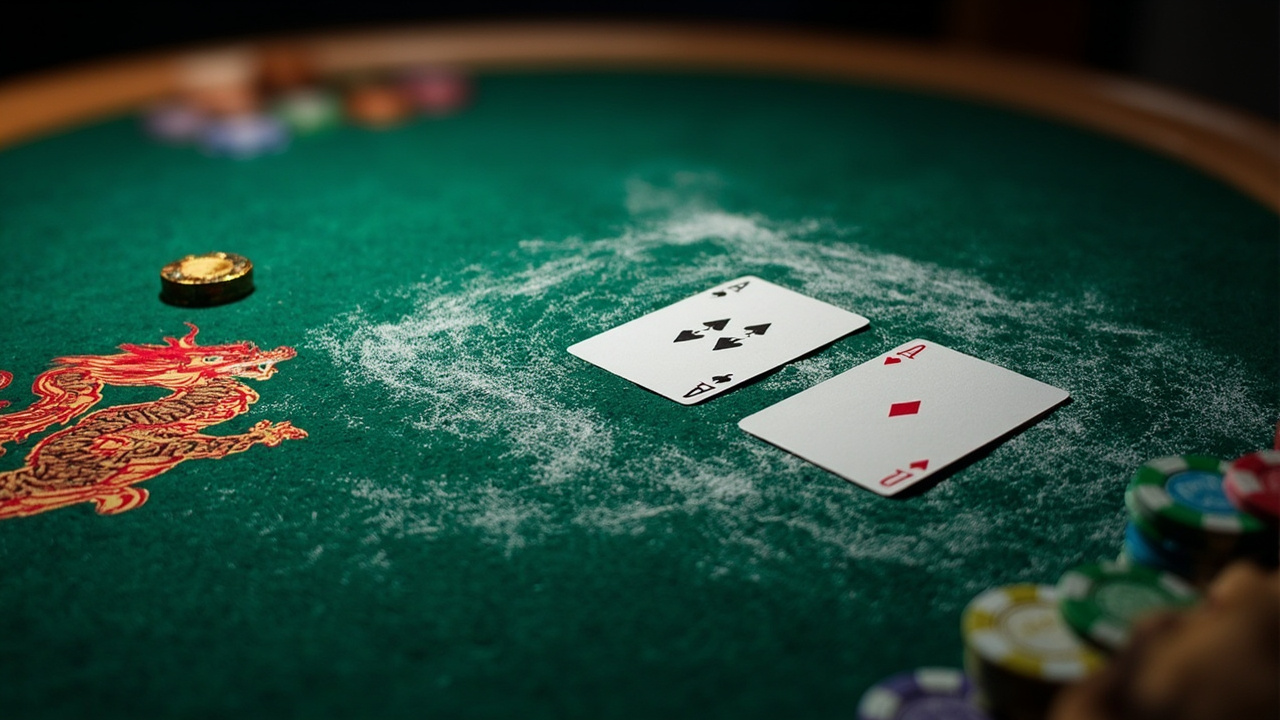
If you are going to use the dragon tiger tie bet at all, the honest read is to treat it as a small, occasional wager inside a larger session rather than a core strategy. It pays well because it lands infrequently, and that is the whole story in plain terms. For the right player – someone who likes a bit of table theatre, sets a firm limit, and understands the maths – it can be a fun side note. For anyone expecting it to do the heavy lifting, it will not. Keep it small, keep it occasional, and let the main game be the main game.


HOT ITEM!